Nigerian Meat Pie: The Classic Recipe, Step by Step
Buttery, golden, and packed with seasoned beef, potato, and carrot — Nigeria's most beloved snack is absolutely makeable at home. Here's the full method, from short crust to crimped seal.
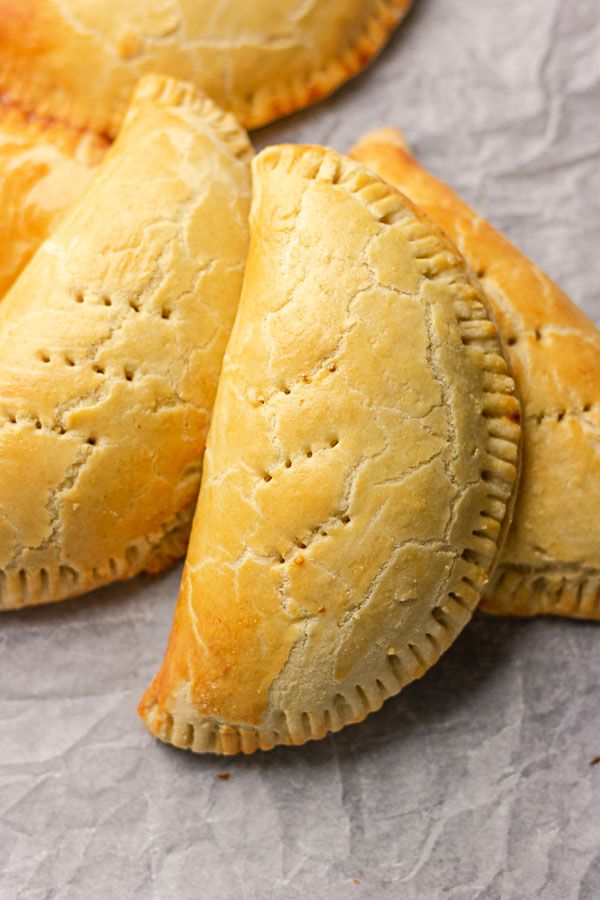
Walk past any Nigerian bakery, school canteen, or party table and you'll find it: a glossy, deep-gold half-moon with a fork-crimped edge, warm and heavy in the hand. Nigerian meat pie is a cousin of the Cornish pasty that arrived in the colonial era and became something entirely its own — a short, tender crust around a savory mince of beef, potato, and carrot seasoned with curry powder, thyme, and bouillon. It's the snack of road trips and birthday parties, and it's very doable in a home kitchen.
The ingredients
The crust
- 500 g (4 cups) all-purpose flour
- 250 g (1 cup + 2 tbsp) cold butter or baking margarine, cubed
- 2 tsp baking powder
- ½ tsp salt
- 1 tsp sugar (optional, for color and balance)
- 120–150 ml ice-cold water
- 1 egg, beaten, for the wash
The filling
- 350 g (¾ lb) minced beef
- 1 medium potato, peeled and diced small
- 1 medium carrot, diced small
- 1 small onion, finely chopped
- 1 tsp curry powder + 1 tsp dried thyme
- 1–2 bouillon (Maggi) cubes, crumbled
- 2 tbsp oil, salt and pepper to taste
- 1 tbsp flour stirred into 120 ml water (the thickener)
The method, step by step
Cook the filling first — and let it cool
Sauté the onion in oil until soft, add the beef and brown it, then stir in curry powder, thyme, and the crumbled bouillon. Add the potato and carrot with a splash of water and simmer until just tender, about 10 minutes. Stir in the flour slurry so the filling thickens and turns glossy, then take it off the heat and let it cool completely. Hot filling melts the crust — cooling is not optional.
Make the dough — with a light hand
Whisk the flour, baking powder, salt, and sugar, then rub in the cold butter with your fingertips until it looks like coarse breadcrumbs. Add ice water a little at a time and bring it together into a soft dough. Stop the moment it holds — kneading develops gluten, and gluten makes tough pies. Rest it in the fridge for 20–30 minutes.
Roll and cut your circles
Roll the rested dough to about 3–4 mm (⅛ inch) on a floured surface. Cut rounds with a small bowl or large cutter, 12–15 cm (5–6 inches) across. Re-roll scraps once, gently — after that the dough gets tough.
Fill, fold, and crimp
Spoon about two tablespoons of cooled filling onto one half of each round, leaving a clean border. Brush the edge with water or egg wash, fold into a half-moon, and press the edge closed. Crimp firmly with a fork all the way around — it's the signature look and the seal that keeps the filling in.
Egg wash, vent, and bake
Arrange the pies on a parchment-lined tray, brush all over with beaten egg, and prick a few small holes in the top with a fork so steam can escape. Bake at 180°C (350°F) for 30–35 minutes, until deep gold. Rest 10 minutes — the filling is lava straight from the oven.
Baked or fried?
Baking is the bakery classic; frying is the street-side cousin. The recipe above bakes, which gives the iconic glossy egg-washed finish. The same pies can be deep-fried at 170°C (340°F) until golden — skip the egg wash, seal extra well, and you get a blistered, crisp shell closer to what's sold at roadside kiosks.
Troubleshooting the usual disasters
The pies leaked in the oven
Either the filling was too wet or the seal failed. Make sure the slurry has fully thickened the filling, leave a clean dry border when filling, and crimp hard — a lazy crimp always opens.
The crust came out tough
Overworked dough or too much water. Rub the butter in cold, add water gradually, and stop mixing the moment the dough holds together. The rest in the fridge relaxes whatever gluten you did develop.
Soggy bottoms
Hot filling, wet filling, or an overcrowded tray. Cool the filling completely, thicken it properly, and give the pies space so heat can circulate underneath.
It tastes flat
Under-seasoning is the most common miss. The curry-thyme-bouillon trio is the soul of the pie — taste the filling before it cools and adjust until it's confidently savory on its own.
Storing and reheating
Meat pies keep 3–4 days refrigerated and freeze beautifully — freeze them unbaked on a tray, then bag them, and bake straight from frozen with a few extra minutes. Reheat baked pies in the oven, not the microwave, to bring the crust back to life.
One batch, twelve golden half-moons.
The first batch is the hardest — by the second, the crimping is muscle memory. Bake them this weekend and share with someone who knows what a good meat pie tastes like.
Browse more recipes →Oven temperatures and timings vary — go by color (deep gold) and trust your nose. Cook minced beef thoroughly and follow safe food-handling practices.